
SN 22.59 — Samyutta Nikaya
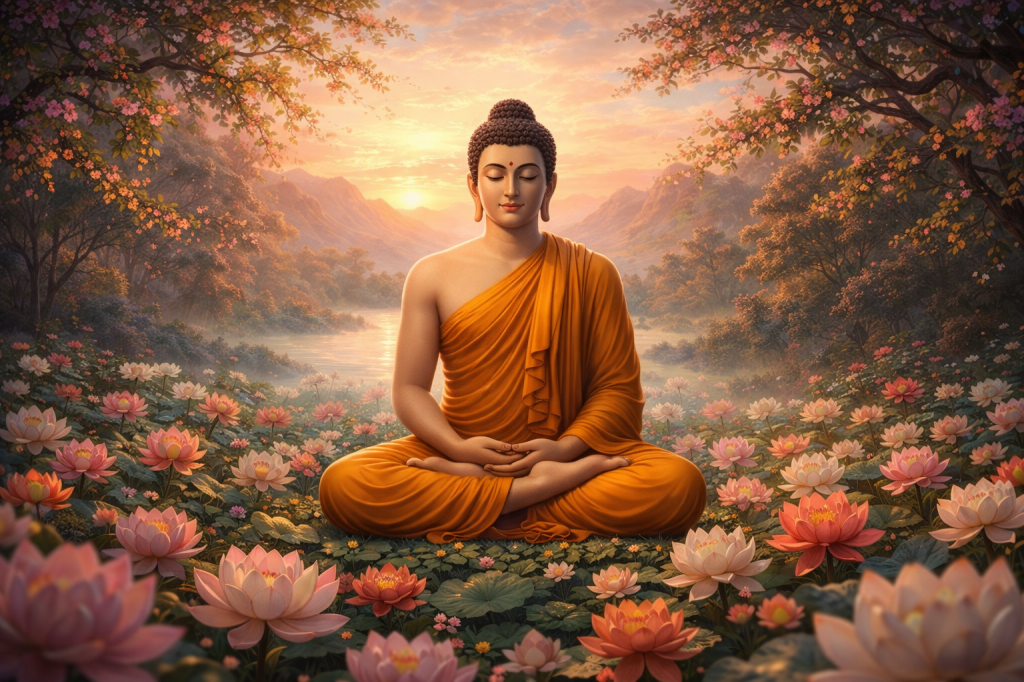
The Discourse on the Characteristic of Not-Self
Thus have I heard.
At one time the Blessed One was staying at Benares in the Deer Park at Isipatana. There the Blessed One addressed the group of five monks:
“Monks!”
“Venerable sir,” they replied.
The Blessed One said this:
“Monks, form is not self.
If form were self, this form would not lead to affliction, and it would be possible to have it of form:
‘Let my form be thus; let my form not be thus.’
But because form is not self, form leads to affliction, and it is not possible to have it of form:
‘Let my form be thus; let my form not be thus.’
Feeling is not self.
Perception is not self.
Volitional formations are not self.
Consciousness is not self.
If consciousness were self, consciousness would not lead to affliction, and it would be possible to have it of consciousness:
‘Let my consciousness be thus; let my consciousness not be thus.’
But because consciousness is not self, consciousness leads to affliction, and it is not possible to have it of consciousness:
‘Let my consciousness be thus; let my consciousness not be thus.’
“Monks, what do you think?
Is form permanent or impermanent?”
“Impermanent, venerable sir.”
“And what is impermanent, is it suffering or happiness?”
“Suffering, venerable sir.”
“And what is impermanent, suffering, and subject to change, is it fit to be regarded thus:
‘This is mine, this I am, this is my self’?”
“No, venerable sir.”
The same is true for feeling, perception, formations, and consciousness.
“Therefore, monks, any kind of form whatsoever — past, future, or present;
internal or external;
gross or subtle;
inferior or superior;
far or near —
all form should be seen as it really is with correct wisdom thus:
‘This is not mine.
This I am not.
This is not my self.’
The same should be seen regarding feeling, perception, formations, and consciousness.
Seeing thus, the instructed noble disciple becomes disenchanted with form, feeling, perception, formations, and consciousness.
Being disenchanted, he becomes dispassionate.
Through dispassion, his mind is liberated.
When it is liberated, there comes the knowledge:
“It is liberated.”
He understands:
“Birth is ended, the holy life has been lived, what had to be done has been done, there is no more coming to any state of being.”
When this discourse was spoken, the minds of the five monks were liberated from the taints through not clinging.
📚 Source: Samyutta Nikaya 22.59 — SuttaCentral
 Dhamma Servants
Leave a comment